GOYO
A N G B A T A N G H E N E R A L
“Goyo” is the new film titled after the nickname of General Gregorio del Pilar that was directed by Jerrold Tarog. It was released nationwide last September 5, 2018.
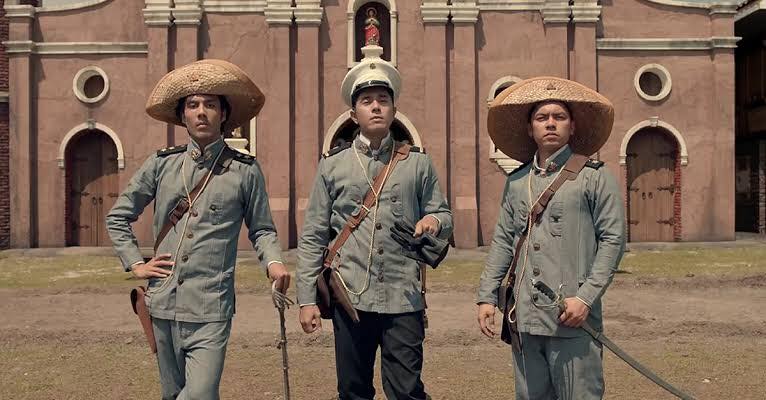
Goyo is a study in historical profundity, its dialogue bordering on poetry, its cinematography of verdant mountains, its actors deftly approximating the heroes and villains we study.
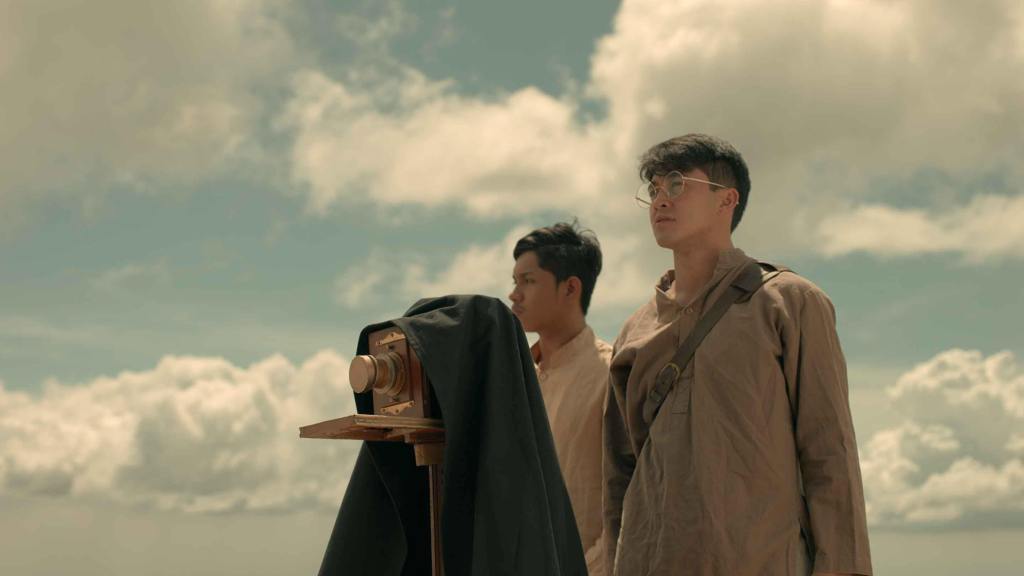
The motion picture gets to the point in the absolute starting point. Aguinaldo’s warriors have quite recently butchered Luna; it’s fascinating that this film lays Luna’s passing unequivocally on Aguinaldo’s lap. There’s a huge gathering of warriors under Luna’s order, including a high-positioning official, Col. Manuel Bernal, who will not change his loyalty. For that he is tormented under according to Gen. del Pilar yet at the same time figures out how to toss affronts at del Pilar, blaming him for following whatever Aguinaldo directions. He shouts hauntingly at del Pilar, that he is, as a result, “not a fighter but rather a dog.” As del Pilar leaves the cell, the bloodied Bernal, at the purpose of snapping, yaps like a dependable dog with an embarrassing bark, which would stay with the boy general and haunt him.In 1899, under a half-year after the beginning of the war, Aguinaldo’s powers endure difficulties and escape toward the north, to Dagupan in Pangasinan. It turns out he is a tricky tease and a man who broke numerous hearts in the towns they withdrew to, as prove in the many tormented letters from the women. There is one young lady that took Del Pilar’s attention. She’s Remedios Jose, the daughter of a town politico, and their first experience is an examination in nineteenth century Victorian romance. She speaks with her eyes, depicted in nineteenth century writing as “mapungay na mata”.
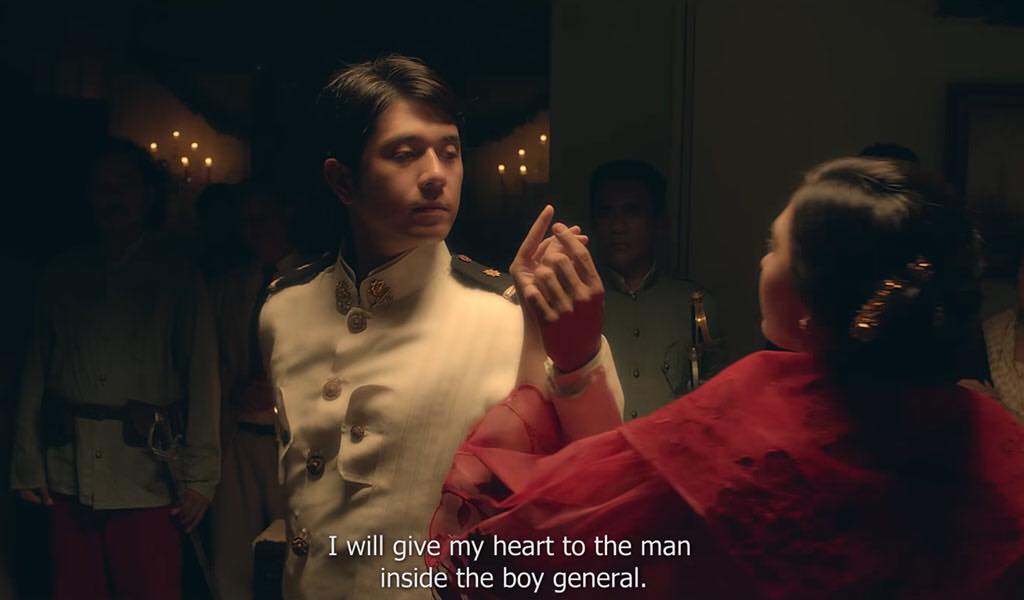
Del Pilar vows fealty while Remedios should now manage one of his exes, Felicidad Aguinaldo who, in a market scene with Remedios. Apolinario Mabini, conspicuous in “Heneral Luna,” proceeds with his secretive declarations on the condition of the country. He has left the Aguinaldo bureau not long after Luna’s demise and is to one side of Aguinaldo’s developing professional American intrigue. He has some significant, terrible lines about his compatriots (as yet fitting for the present Congress). He considers Aguinaldo’s kin a lot of comedians. Also, given the conduct of a masses with an inclination for a decent time over genuine undertakings, Mabini pronounces not once however twice that Filipinos have the right to be called kids. Mabini has developed since the last motion picture, where he was at the beginning time of the Aguinaldo bureau and extremely certain of its autonomous course. Presently, that appears to be improbable Aguinaldo pays him a call, prods him to return, and offers him the situation of boss equity, Mabini acknowledges with overwhelming sadness, articulating that his acknowledgment is just for the wellbeing of the country. In the mean time, Goyo has flashbacks of a bloodied Col. Bernal yapping and tormenting him, actually passing on of giggling. One night, in a tipsy trance in a waterway he thinks blood is leaving his mouth, that his life is over under the water. We witness a feeling of his passing and conceivably, the habit of his loyalty to Aguinaldo. These discontinuous bad dreams are exacerbated by updates on the Americans in Manila getting down to business, pushing the Filipino warriors further away from laying attack on the Spaniards in Manila. In a gathering between Aguinaldo’s emissary, General Alejandrino and American Generals Elwell Otis and Arthur MacArthur, the Americans have just the mentality that the Filipinos have a rebel president, intimating their military is ill-conceived and the juvenile republic a trick to be vanquished.
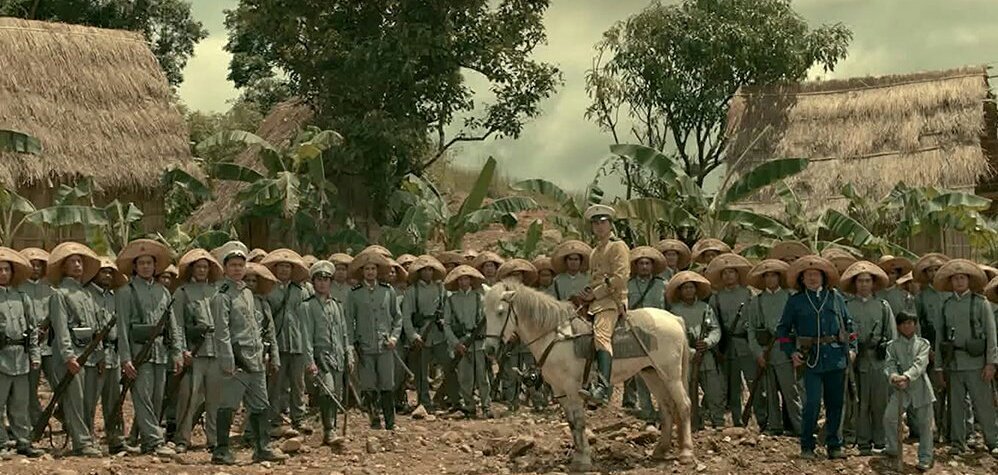
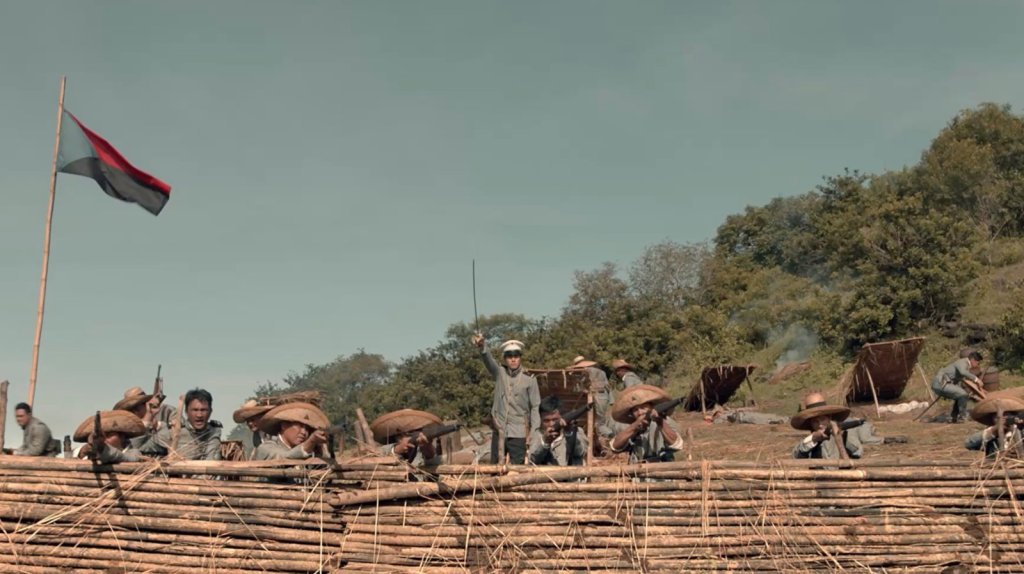
The Americans head north to put to defeat the staying Filipino powers and catch Aguinaldo. It is a disheartening display, a long trail of warriors and regular citizens, by walking, arriving at towns well disposed or something else, rummaging for sustenance, moving northward and strenuously rising the Cordillera Mountains. The penances and hopelessness caused on natives are outwardly enunciated in this film, with additional items in the hundreds if not thousands, increased capably by computerized impacts. The last battling scene is horrendous, and as each Filipino officer falls dead, the charming Cordillera mountains apparently undulate in appreciation and misery. The sharpshooters arrive at the top, and Gen. del Pilar, the last to withdraw, is in the long run shot dead, and his entire body deprived of his assets and attire. The Americans perceive the youthful general’s grit and scramble for mementoes of him.
The movie “Goyo” is powerful and blends the right amount of romance and levity in a serious historical narrative. What I liked about this movie is that this period film has parallels with today’s troubling events. This movie shows a piece of our history in a very emotional, yet artistic manner. It’s all about patriotism and nationalism.
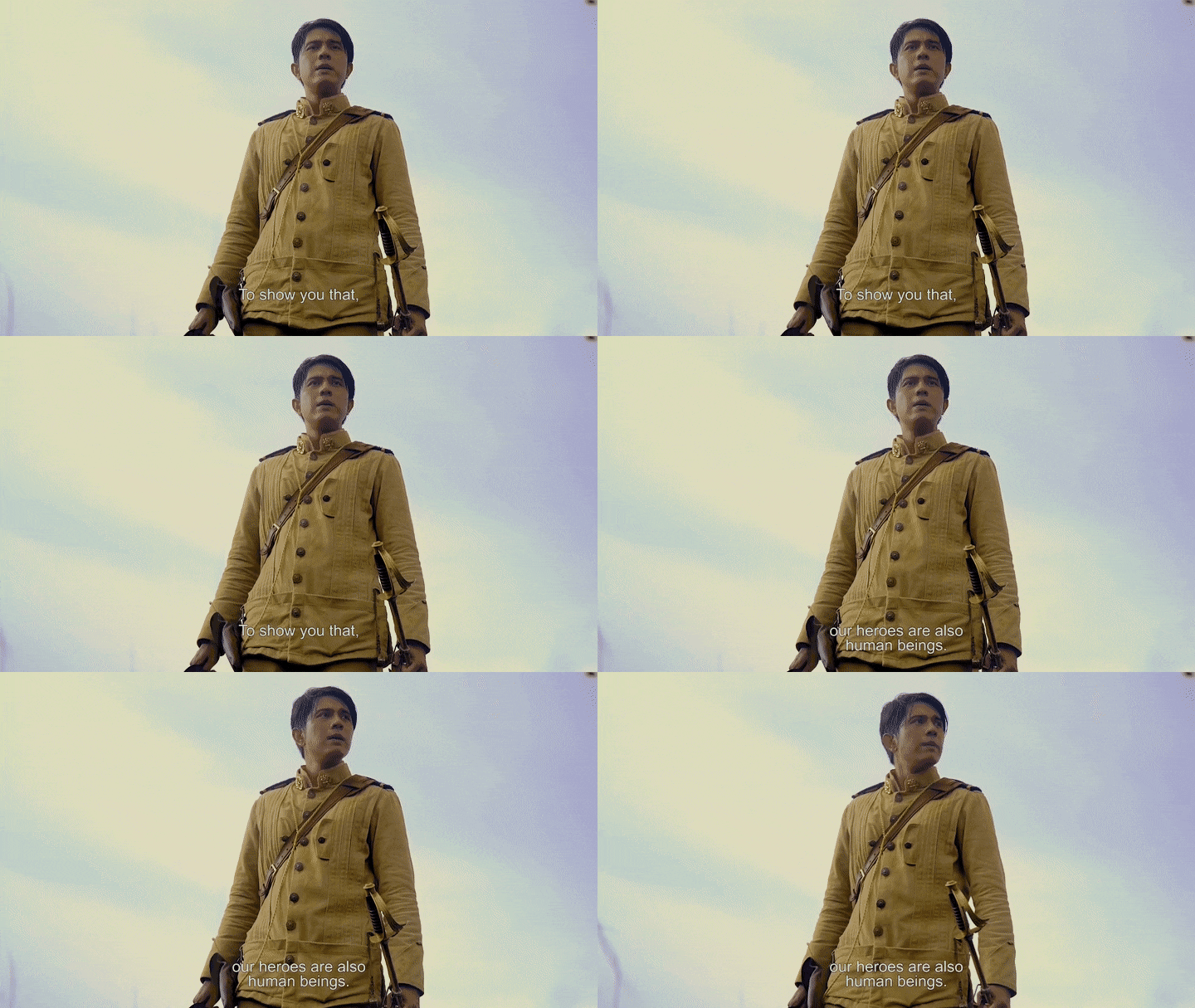
Referring to the characteristics of the 21st century literature this film demonstrates independence, it builds strong content knowledge, and this film lets you understand and appreciate the Filipino culture even more.
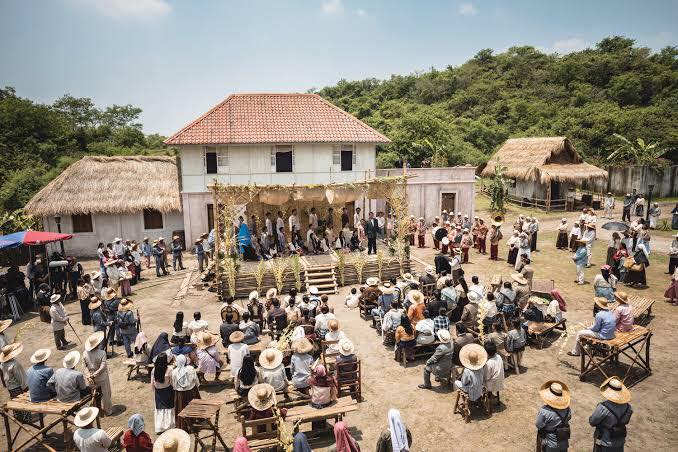
Behind every successful battle is a man filled with hope yet also with hardship and heroism that unveils every struggle comes with victory. I say it’s a must-watch. If not for the beautiful cinematography and artistry that went into it, then for what it leaves you with after. Goyo is another opportunity for more individuals to reveal various sides to those we call legends. It can start exchanges on our past and our present, all while adding to the rundown of well-made contemporary Filipino movies.
 Elle's Blog